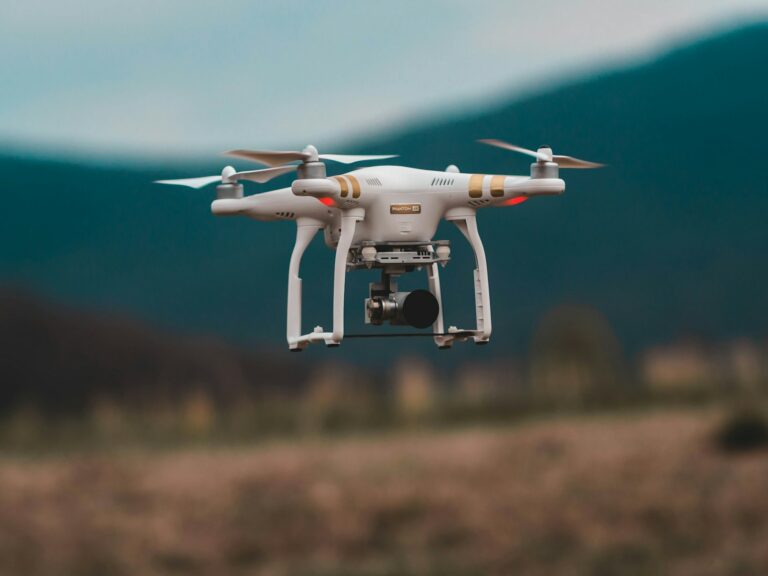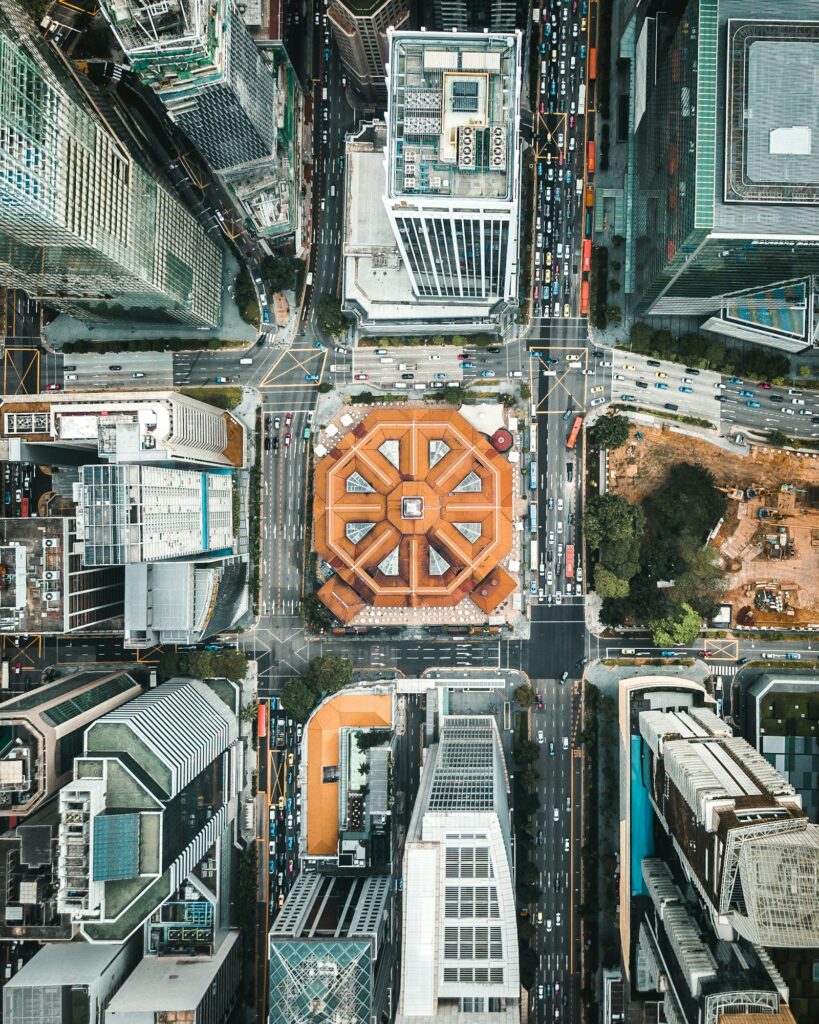
The use of drones in real estate photography is growing exponentially. These technological tools are revolutionizing the way images and videos of real estate properties are captured, offering agents, developers, and individuals unprecedented perspectives to showcase their properties.
In this article, we explore the reasons behind this popularity, the benefits of drones for the real estate industry, and the trends shaping this rapidly growing market.
Why Are Drones Becoming Essential in Real Estate Photography?
Traditional real estate photography, while still useful, has its limitations. Drones, thanks to their ability to fly over properties and provide spectacular aerial views, meet specific needs:
- Property Valuation: A panoramic view of the property and its surroundings attracts more attention from buyers.
- Highlighting Open Spaces: Yards, gardens, pools, and strategic locations are shown off to their best advantage.
- Unique Perspective: Images taken from above offer an immersive and dynamic view of the properties.
Learn more about the impact of drones on real estate marketing.
The Benefits of Drones in Real Estate
1. Improving the presentation of products
Drones can capture high-quality images and videos that captivate potential buyers.
- Immersive Videos: Drones can capture smooth footage both outdoors and indoors, offering a dynamic virtual tour.
- 360° Panoramas: These interactive views let you explore a property from every angle.
2. Increased profitability
Although the initial investment may be high, drones reduce costs in the long run by eliminating the need for helicopters or heavy equipment for aerial photography.
3. Versatility and Speed
A drone can cover a large area in a short amount of time, quickly capturing footage of rural properties, downtown buildings, or residential complexes.
4. Competitive Advantage
In a competitive real estate market, agents who use drones stand out thanks to spectacular and engaging visuals.
Find out how drones are helping real estate professionals stand out.
The Best Drones for Real Estate Photography
DJI Mavic 3
- 5.1K resolution for ultra-detailed videos.
- Excellent low-light performance, ideal for shooting at sunrise or sunset.
- Obstacle-avoidance sensors for safe flights.
Autel Evo Lite+
- Capture 50 MP photos and 6K videos.
- Long battery life to cover large properties.
DJI Air 2S
- Compact and easy to fly.
- 1-inch sensor for high-quality images.
Compare the best drones for professional photography.
Regulations and Best Practices
The use of drones in real estate photography is subject to specific rules:
- Pilot Certification: In many countries, it is mandatory to have a license to fly a drone commercially.
- Privacy: Avoid flying over neighboring properties or sensitive areas without permission.
- Altitude and Area Restrictions: Be sure to comply with altitude limits and restrictions on flying over certain areas, such as airports.
Review the European regulations on drone use.
Future Market Trends
The real estate drone market is constantly evolving, with promising innovations:
- Integration of Artificial Intelligence (AI): Drones equipped with AI could automatically analyze properties and create ready-to-use edited videos.
- Immersive Virtual Reality (VR) Tours: Combining drones with VR will offer shoppers unprecedented immersive experiences.
- Indoor drones: Compact and agile models designed to explore and capture images indoors.
Explore future innovations in drones for the real estate industry.
Conclusion
Drones are transforming real estate photography by offering unique perspectives and powerful tools to better showcase properties. This rapidly expanding market is creating opportunities for real estate professionals, while also presenting regulatory and technological challenges.
Whether you’re a real estate agent or a professional photographer, investing in a drone for real estate photography is a smart move to meet the growing expectations of today’s buyers.
What about you—have you ever used a drone for real estate photography?
Discover the best drones for real estate
Learn more about real estate market trends.