Drones have opened up a whole new world of possibilities for photographers, allowing them to capture spectacular images from unique angles. For many drone photography enthusiasts, this craze is more than just a hobby—it’s a real opportunity to build a profitable business. If you’re a passionate drone photographer looking to turn your passion into a professional business, this article is for you. Discover how to get started and succeed in the rapidly growing drone photography industry.
1. Why get into drone photography?
Drone photography is a rapidly growing industry, with numerous professional applications that go far beyond recreational use. From real estate to film production and event coverage, drones offer a unique perspective that is attracting more and more clients. Here are a few reasons why drone photography can be an excellent career opportunity:
- Growing Demand: Businesses and individuals are increasingly interested in aerial views, whether for advertising, events, inspections, or documentation.
- A wide range of applications: Drone photography can be used in a wide variety of sectors, including real estate, architecture, tourism, weddings, film, and videography, as well as industrial and agricultural inspections.
- Growing Accessibility: As the prices of professional drones have fallen and their capabilities have improved, this technology is now accessible to many photographers.
Learn more about career opportunities in drone photography.
2. Getting Ready for the Adventure: The Skills and Equipment You’ll Need
2.1. Acquire technical skills
If you’re already passionate about drone photography, you probably have a solid grasp of the basics. However, to succeed as a professional, it’s essential to hone your skills. Here are a few key areas to master:
- Mastering flight techniques: Flying a drone to capture stable, sharp images can be more difficult than it seems. As a professional photographer, you’ll need to be able to maneuver in different environments while ensuring safety and the quality of your shots.
- Understanding Photography: Drone photography is based on the same principles as traditional photography (exposure, composition, lighting), but it offers different perspectives. It is essential to understand how to adjust the settings for different conditions.
- Editing and Post-Processing: Just like in traditional photography, editing is an important part of the process. Learn how to use software like Adobe Lightroom or Photoshop to refine your images after your flight.
Training and resources for learning drone photography.
2.2. Invest in high-quality equipment
The quality of the drone you use can have a significant impact on the final result. As a professional, it’s essential to choose a drone with a high-resolution camera and advanced flight capabilities. Here are a few must-have pieces of equipment:
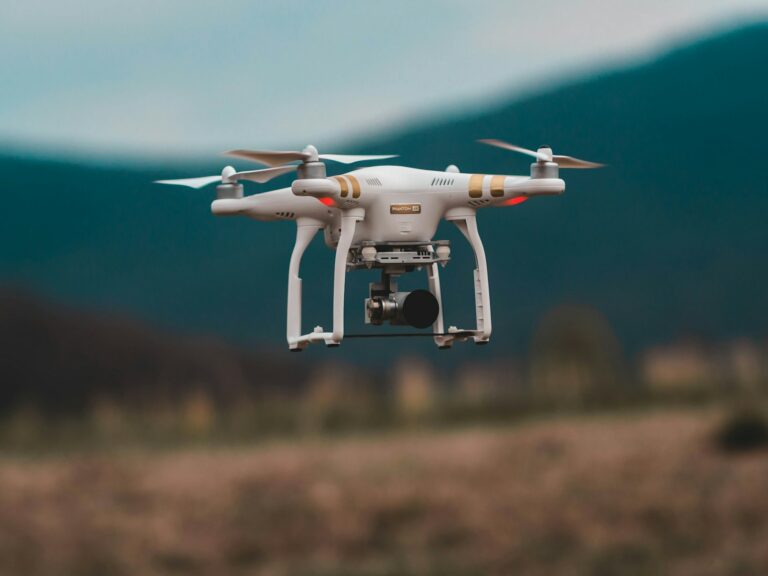
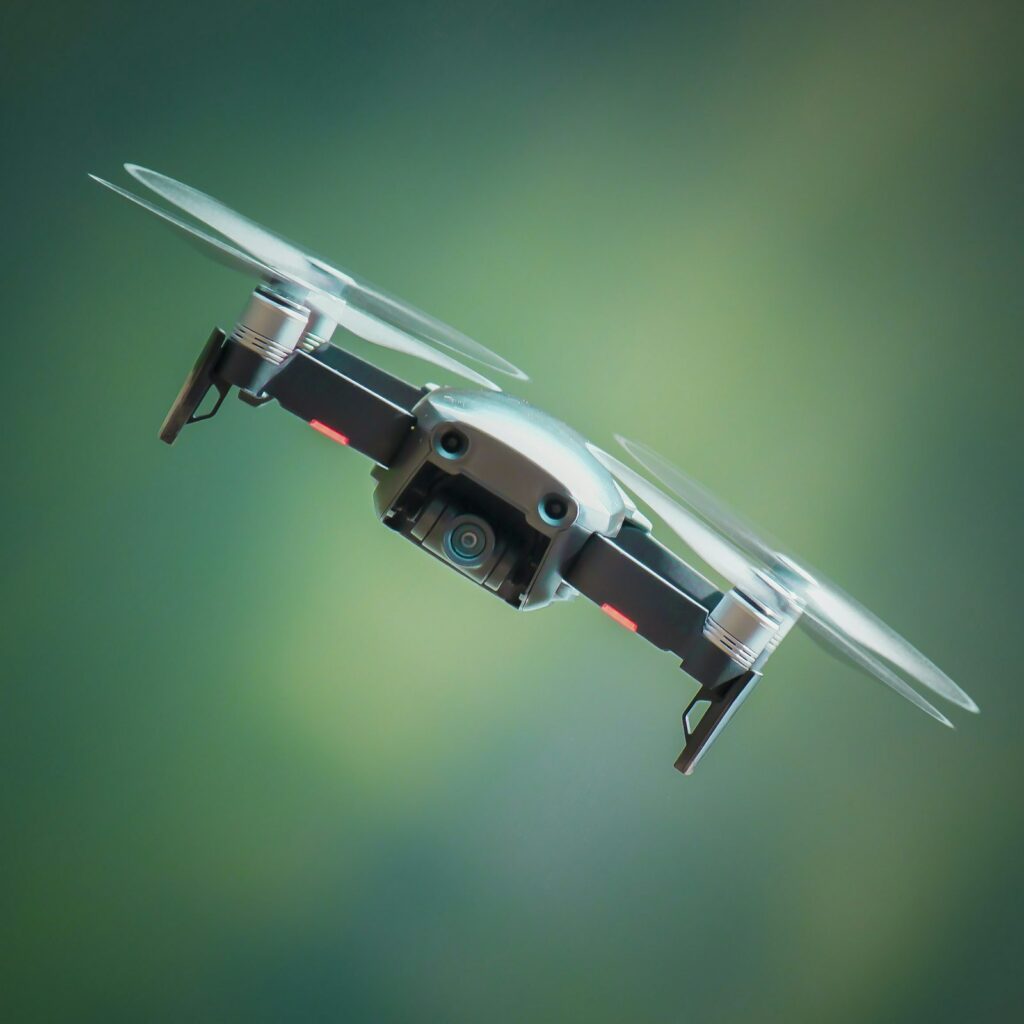
- A professional-grade drone: Choose models like the DJI Mavic 3 or the DJI Phantom 4 Pro, which offer excellent image and video quality, as well as stable and safe flight capabilities.
- Drone filters: Adding filters (ND, CPL, etc.) can help you control the light and improve image quality, especially in bright conditions.
- Safety accessories: Accessories such as spare batteries, replacement propellers, and weather protection are essential for ensuring the safety of your equipment and preventing breakdowns.
To find high-quality equipment, check out specialty websites such as DJI or B&H Photo.
3. Start and Organize Your Drone Photography Business
3.1. Develop a Solid Business Plan
As with any business, it’s crucial to draw up a business plan before getting started. Here are a few things to consider:
- Define your target market: Determine the sectors or types of clients you want to target: real estate, construction companies, events, weddings, etc.
- Set Your Rates: Conduct market research to determine how much you can charge for your services. This will depend on your expertise, the local market, and the services you offer (photos, videos, editing).
- Estimate costs: Be sure to factor in the costs of equipment, insurance, licenses, and advertising in your financial plan.
Check out this guide to starting a drone photography business.
3.2. Obtain the necessary licenses and permits
In many countries, professional drone photography requires specific licenses and permits. Be sure to comply with local drone laws, which may include:
- Obtaining a drone pilot certification: For example, in the United States, the FAA (Federal Aviation Administration) Part 107 certification is required to fly a drone for commercial purposes.
- Permits to Fly in Specific Areas: Depending on where you work, you may need to obtain permits to fly in controlled airspace, near airports, or in urban areas.
Find out about local regulations and complete a certified training course, if necessary, to obtain the required license.
Learn more about the regulations governing commercial drones.
4. Build a brand and raise awareness
4.1. Build a Strong Portfolio
A high-quality portfolio is essential for attracting your first clients. Here are a few tips for building a compelling portfolio:
- Show off your best work: Select your best photos and videos to showcase your skills.
- Diversify your portfolio: Include a variety of styles and applications to showcase your versatility.
- Create a demo video: A professional video that combines your best aerial shots can capture the attention of potential clients.
Get inspired by the portfolios of professional drone photographers on DroneStagram.
4.2. Using Digital Marketing
Today, online marketing strategies are essential for any business. Use the following platforms to promote your business:
- Professional Website: Create a website to showcase your services, pricing, portfolio, and contact information.
- Social Media: Instagram, Facebook, and LinkedIn are ideal platforms for sharing your photos and videos, reaching potential customers, and building a community around your work.
- Online Advertising: Use Google Ads and Facebook Ads to target customers who are looking for drone photography services in your area.
Discover digital marketing strategies for photographers.
4.3. Working with clients and building partnerships
Word of mouth is essential in the photography industry, so be sure to provide excellent service to your first clients to turn them into brand ambassadors. Also, look to establish partnerships with local businesses, real estateagencies, film producers, or event planners who might need drone photography services.
5. Conclusion
Drone photography offers a wealth of opportunities to turn your passion into a thriving business. By acquiring the right technical skills, investing in high-quality equipment, and complying with the necessary regulations, you can establish yourself as a professional in this exciting field. Remember that the key to your success lies in the quality of your services and your ability to build your reputation.
To learn more about drone photography and growing a business, check out these resources: