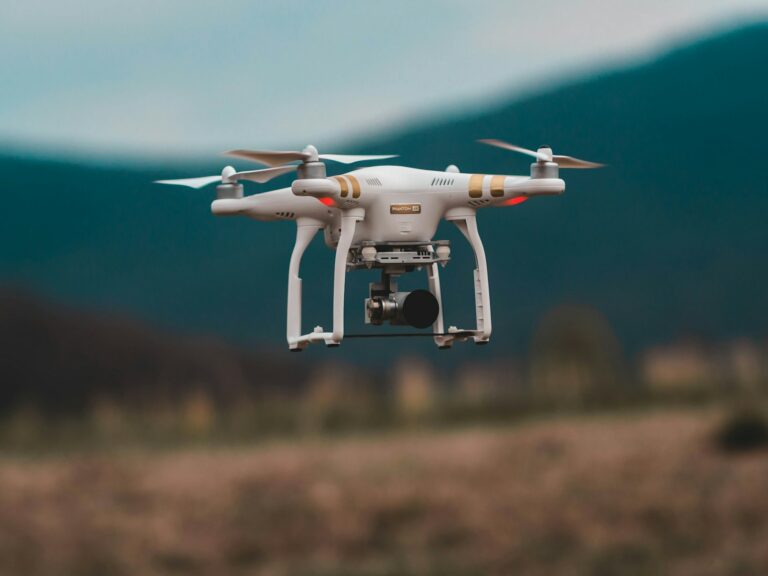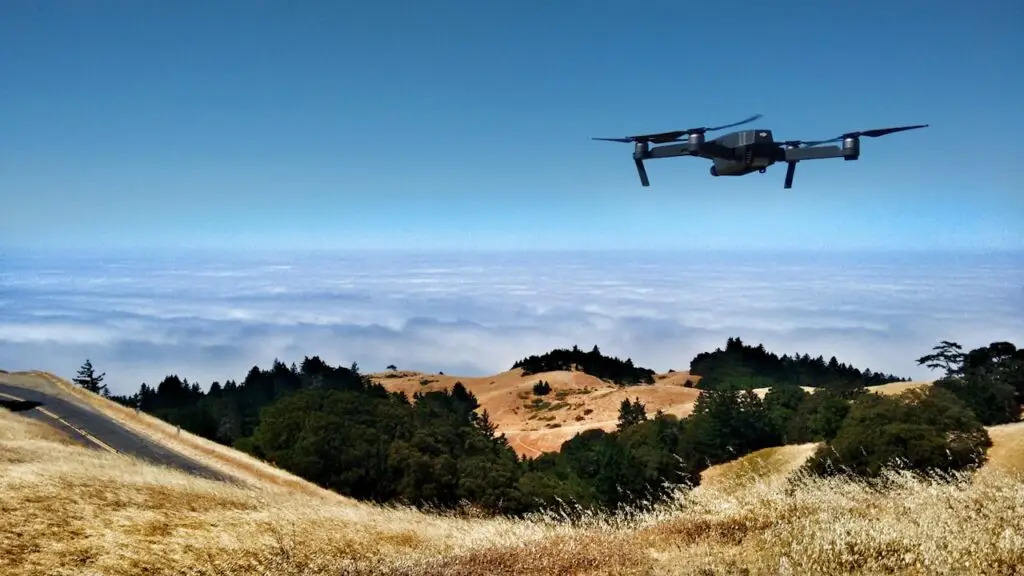
The use of drones in France is becoming increasingly widespread, both for recreational and professional purposes. However, it’s important to be familiar with the current regulations in order to fly safely and legally. This article outlines the key points of France’s drone regulations so that you can fully enjoy this technology while complying with the rules.
1. Who is affected by the regulations?
Drone regulations apply to any individual or legal entity that operates a drone, regardless of its weight or intended use (recreational, professional, etc.).
2. The Different Categories of Drones
French regulations classify drones into three categories based on their weight and their ability to carry a payload:
- Category C0: Drones weighing less than 250 grams and not capable of carrying a payload. They may fly without any authorization or registration.
- Category C1: drones weighing more than 250 grams and up to 9 kg, or drones weighing less than 250 grams but capable of carrying a payload. Flight operations are subject to a simplified declaration to the Directorate General of Civil Aviation (DGAC).
- Categories C2, C3, and C4: drones weighing more than 9 kg or drones that pose an increased risk to aviation safety. Flight is subject to strict conditions and requires a pilot’s license and a flight authorization issued by the DGAC.
3. No-fly zones
It is important to respect no-fly and restricted zones. You can find a complete list of these zones on the DGAC website: https://www.service-public.fr/particuliers/vosdroits/R51382.
4. General Rules for Navigation
In summary, here are the general rules for flying a drone in France:
- Maintain a safe distance from people, buildings, and other aircraft.
- Never fly over people.
- Never fly in clouds or in adverse weather conditions.
- Observe no-fly and restricted zones.
- Never lose sight of your drone.
- Insure your drone.
5. Penalties for Noncompliance with Regulations
Failure to comply with drone regulations may result in civil and criminal penalties. Fines can be as high as 75,000 euros, and the drone may be confiscated.
6. Useful Resources
- DGAC website: https://www.ecologie.gouv.fr/politiques/drones-uas
- Service-Public.fr: https://www.service-public.fr/particuliers/vosdroits/F34630
- French Model Aircraft Federation: https://www.ffam.asso.fr/
Conclusion
Drone regulations in France are complex, but it is important to understand them in order to fly safely and legally. By following the rules, you contribute to aviation safety and environmental protection.
Keep in mind that regulations are subject to change, so it’s important to stay up to date on the latest changes.
In addition to the resources mentioned above, you can also find useful information on forums and social media platforms dedicated to drones.
By flying responsibly and following the regulations, you can fully enjoy the benefits that drones have to offer.