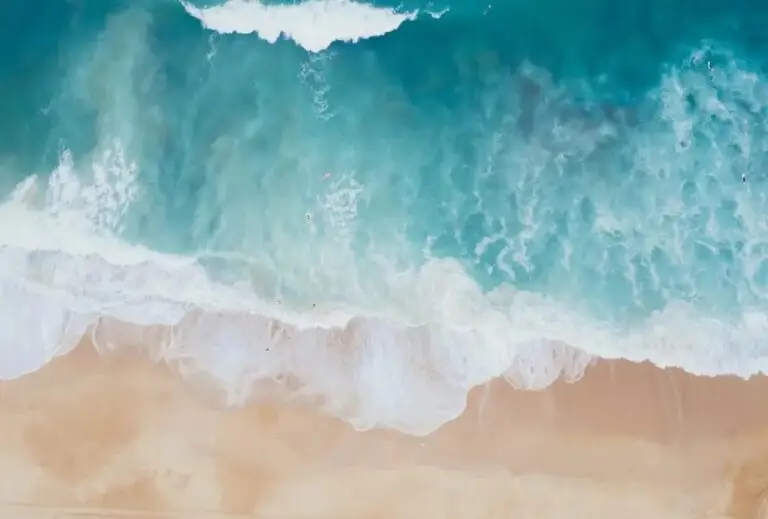
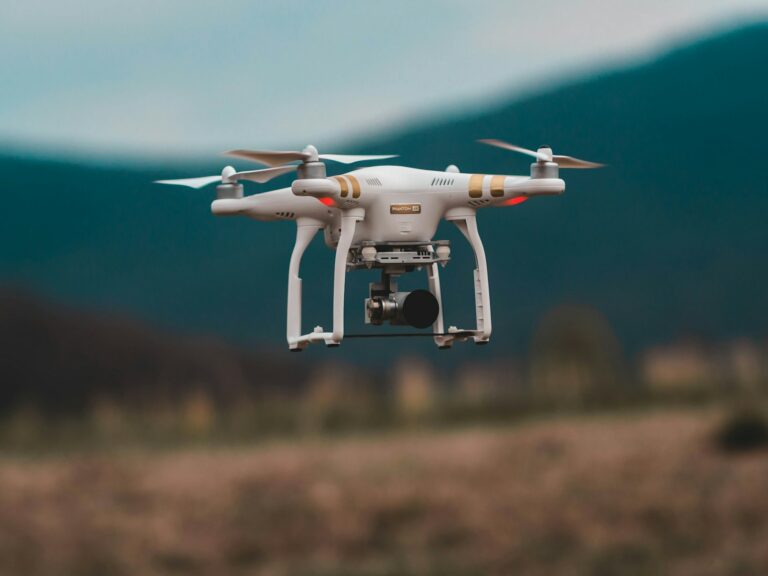
The combination of drones and artificial intelligence (AI) is revolutionizing the way we capture and process aerial images. With impressive advances in self-piloting, image recognition and real-time processing, drone photography is entering a new era. But how far can this technology take us? Let’s explore the opportunities and prospects offered by AI in this field.
Artificial intelligence in drone photography: a revolutionary duo
1. Autonomous flight and intelligent planning
AI enables drones to fly autonomously while optimizing flight routes to capture the best images.
- Intelligent planning: Algorithms automatically identify points of interest and calculate the optimum route based on environmental conditions.
- Obstacle avoidance: sensor-equipped drones like the DJI Mavic 3 use AI to detect and avoid obstacles in real time, ensuring safe flights.
Discover DJI’s autonomous flight technologies.
2. Image recognition and analysis
AI is able to process images captured by drones to extract key information.
- Object recognition: Drones can identify and track vehicles, people or animals using computer vision systems.
- Focused photography: Drones like the Skydio 2+ feature advanced automatic tracking functions, enabling perfect framing of moving subjects.
These technologies are particularly useful for applications such as :
- Landscape surveillance.
- Tracking wild animals.
- Sports and documentary photography.
Find out more about AI and drone recognition.
3. Real-time image processing
Thanks to machine learning models, drones can process images immediately after capture.
- Automatic compensation: AI adjusts exposure, white balance and other parameters to improve image quality.
- Create panoramas and hyperlapses: drones automatically combine multiple photos to produce spectacular results without the need for manual processing.
The benefits of AI in drone photography
- Increased accessibility
AI simplifies drone operation, enabling even beginners to capture professional shots. - Efficiency and speed
AI-powered drones reduce the time needed to capture and process images. - High-quality results
Algorithms guarantee optimized, balanced and aesthetically pleasing images.
Current limits and challenges of AI in drone photography
Despite its potential, AI in drones faces several challenges:
- Data dependency: The effectiveness of AI relies on large volumes of data, which can pose confidentiality issues.
- High cost: UAVs equipped with advanced AI remain expensive, which limits their accessibility.
- Ethical risks: The use of autonomous drones for surveillance raises questions about individual privacy and rights.
Find out more about the ethical challenges of AI.
The future of drone photography with AI
1. Unlimited creativity
AI could one day enable drones to offer unprecedented compositions and framing, pushing creativity in photography even further.
- Dynamic framing suggestions: Based on scene analysis.
- Real-time effects: such as light simulations or advanced HDR rendering directly integrated.
2. Fully autonomous drones
In the future, drones could carry out missions entirely without human supervision:
- Automated capture of complex timelapses.
- Exploration of hard-to-reach areas with autonomous recognition of interesting subjects.
3. Professional applications
- Film and video production: Intelligent drones will play a central role in big-budget shoots.
- Advanced cartography: natural and urban landscapes can be analyzed and rendered with unrivalled precision.
Conclusion
The alliance between drone photography and artificial intelligence is redefining the boundaries of what is possible. Although technological, economic and ethical challenges remain, the opportunities offered by this revolution are immense. As drones become more intelligent and accessible, the future of aerial photography looks brighter than ever.
And you, what are your expectations for the future of drones and AI? Share your ideas in comments!
Explore AI-powered drones at DJI
Discover AI-powered image processing software.