Urbanphotography is a fascinating field, offering a wealth of opportunities to capture the energy and diversity of cities. Whether you’re an amateur or a professional photographer, taking high-quality photos in an urban setting can be a challenge. Crowded streets, imposing buildings, changing light, and a wide variety of subjects can make shooting both exciting and complex. In this article, we’ll explore some practical tips and advice for taking great photos in urban settings—whether during the day or at night—using either your camera or a drone.
1. Mastering Lighting in Urban Environments
1.1. The Importance of Natural Light
One of the keys to successful urban photography is understanding how to make the most of natural light. City streets are often bathed in very different light depending on the time of day. In addition, the architecture of buildings can create interesting patterns of light and shadow.
- Golden Hour and Blue Hour: These moments, just after sunrise or before sunset, are perfect for capturing soft, warm light—ideal for street photography.
- City Lights at Night: In the evening, the city lights offer a striking contrast to the darkness. Neon signs, streetlights, and building lights create unique atmospheres, perfect for low-light photography. It’s essential to master your camera settings to avoid overexposure or images that are too dark.
Find tips on night photography here.
1.2. Use a polarizing filter to reduce glare
Urban environments often feature reflective surfaces (windows, puddles, etc.), which can interfere with your compositions. Using a polarizing filter helps reduce reflections and enhance color saturation. This is particularly useful when photographing modern buildings or scenes in direct sunlight, where shiny surfaces can be distracting.
2. Choose the right angle and composition
2.1. Explore Unique Perspectives
Urban architecture offers a wealth of opportunities to play with perspectives. Don’t settle for traditional shots. Experiment with different angles to capture the grandeur of buildings or the intriguing details of an urban scene.
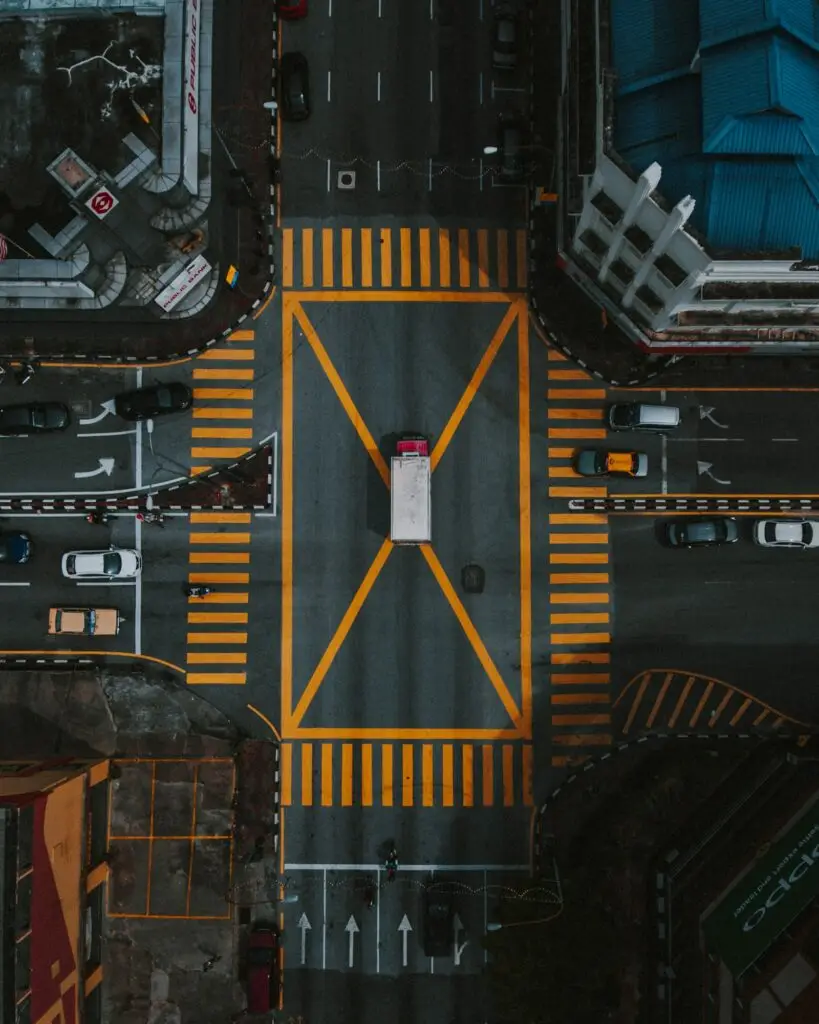
- Bird’s-eye view: Use a bird’s-eye view to capture the city from a high vantage point. This type of perspective is ideal for showing urban density or large complexes.
- Place elements in the foreground: Include elements such as cars, pedestrians, or architectural features in the foreground to add depth to your photos.
2.2. Avoid Unnecessary Distractions
Cities are places full of distractions. When taking photos, it’s important to avoid including elements that don’t add anything to your composition. Take the time to carefully choose your frame to avoid unwanted elements that can “clutter” the image, such as traffic signs or power lines.
2.3. Working with the Guidelines
Urban buildings are often designed with clean, geometric lines. Use these lines to guide the viewer’s eye through the image. Streets, bridges, and rooftops can serve as guiding lines, allowing you to structure your photo in a fluid and harmonious way.
3. Use drones to capture spectacular aerial views
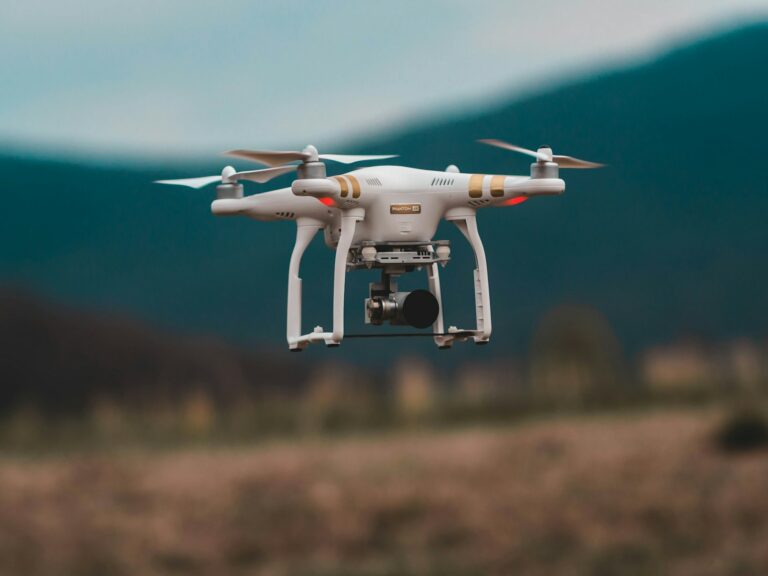
Drones have transformed urban photography, making it possible to capture unique perspectives. If you have access to a drone, here are a few tips for taking high-quality shots in an urban setting:
3.1. Choosing the Right Time for Your Flight
Drones can offer spectacular views of the city, but to avoid adverse weather conditions or legal restrictions, it’s important to choose the right time to fly. Make sure the sky is clear and that wind conditions are favorable for stable shots.
- The Golden Hour for a Magical Effect: Flying a drone just before sunset will allow you to capture cityscapes bathed in golden light.
- Nighttime drone photography: Although more challenging, nighttime drone photography allows you to capture breathtaking images of the city lights, but requires careful camera settings and a stable flight.
Learn how to take breathtaking photos with your drone here.
3.2. Follow urban flight rules
In the city, there are strict rules regarding the use of drones, particularly with regard to safety and privacy. Be sure to familiarize yourself with local regulations before flying your drone. In general, areas near airports or busy public spaces may be off-limits.
4. Take the city’s atmosphere into account
4.1. Capturing the City’s Energy
Cities are places full of energy, movement, and diversity. If you want to capture this dynamic atmosphere, include elements such as pedestrians, vehicles, and cyclists in your photos. Play with motion to create lively images, especially by using slower shutter speeds to capture light trails at night.
4.2. Playing with Contrasts
The contrasts between the old and the new are a common feature of urban landscapes. If you’re in a city with historic buildings and modern structures, look for scenes where these two elements coexist. Architectural contrasts can create a striking visual effect and enhance the impact of your photos.
5. The Challenges of Urban Photography
5.1. Managing Crowds and Obstacles
Big cities are often crowded, which can pose a challenge for photography. Whether you’re trying to avoid passersby who get in the way of your photos or capture a subject in a crowded space, it’s important to know how to deal with these unwanted elements. Use techniques such as a shallow depth of field to blur the background and draw attention to your subject.
5.2. Light Pollution Management
Light pollution is a major problem in cities, especially at night. When taking nighttime photos, you may need to adjust your exposure to prevent artificial lights from making your photos too bright or washed out. An ND filter or the right exposure setting can help you control this.
Conclusion
Taking high-quality photos in an urban environment requires patience, observation, and a solid grasp of photographic techniques. Whether you’re using a traditional camera or a drone, it’s essential to understand lighting, work on composition, and know how to capture the unique atmosphere of cities. By practicing regularly and experimenting with different angles and settings, you’ll be able to capture memorable urban images that are both artistic and dynamic.
To explore the world of urban photography further, check out these helpful resources: