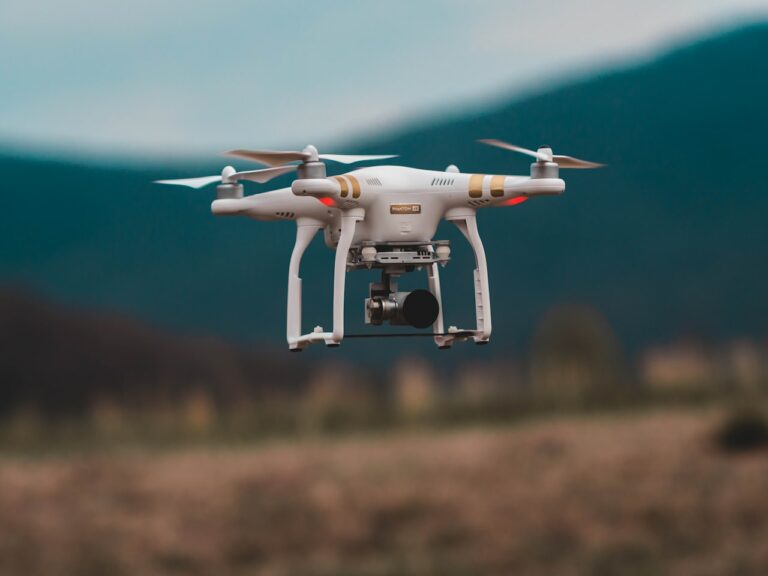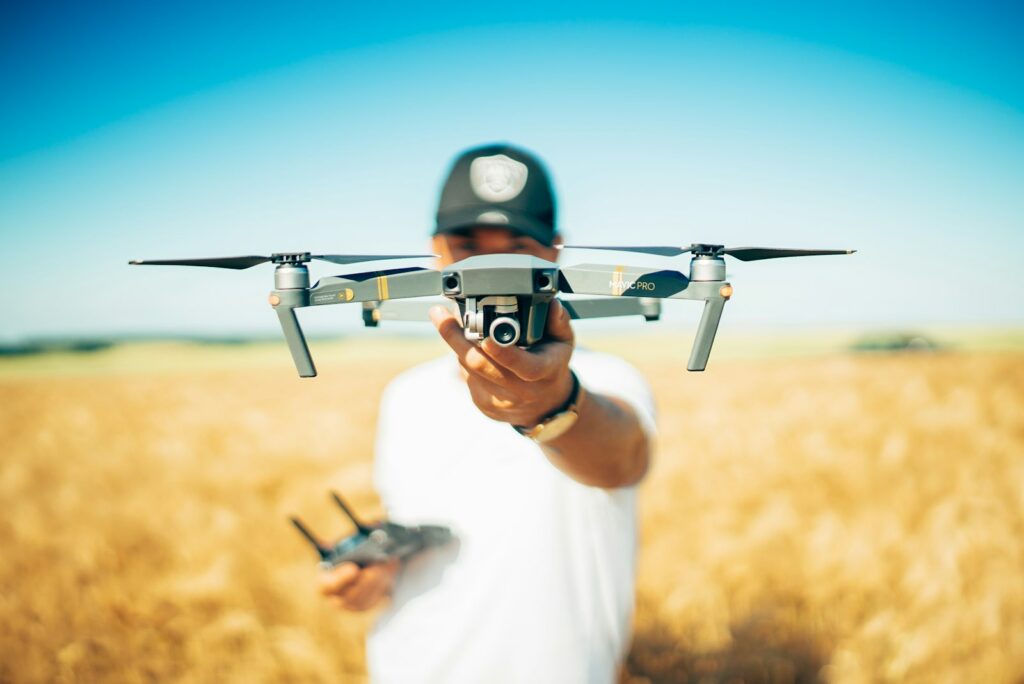
Drones have undeniably revolutionized many industries, from agriculture to surveillance, but their impact on the field of traditional photography is particularly notable. While some view them as a wonderful complement, others see them as direct competition. In this article, we’ll explore the various aspects of this complex relationship between drones and traditional photography.
1. Drones as a Complement to Traditional Photography
Traditional photography—particularly landscape and architectural photography—has long been dominated by the use of professional cameras and on-site techniques. However, the advent of drones has added a new dimension to this art form.
1.1. New Perspectives and Viewpoints
Drones allow photographers to capture images from angles that were previously unimaginable, offering a unique aerial perspective. This added height opens up unprecedented creative opportunities, allowing for photos of landscapes, cities, or even outdoor events from surprising angles. For example, photographs of historic monuments, beaches, or national parks take on a whole new dimension when taken from the sky.
Drones are not intended to replace traditional cameras, but rather to expand the range of creative options available. By combining traditional ground-level shots with aerial shots, photographers can produce more varied and captivating images.
1.2. Ease of access and execution
One of the advantages of drones is that they allow you to capture exceptional photos without requiring expensive equipment or expertise in complex photography techniques. Panoramic photos of a city or aerial views of a wedding can be taken with relative ease. Furthermore, thanks to technological advances, many drones are now equipped with high-definition cameras capable of producing high-quality photos, opening the door for amateur photographers who want to explore aerial photography without breaking the bank.
1.3. Drone Video and Photography: A Powerful Combination
In addition to photography, drones are also widely used for videography, allowing filmmakers to capture spectacular scenes with a fluidity that is impossible to achieve with a traditional camera. The ability to shoot aerial videos without the use of cranes or heavy equipment allows videographers to produce impressive content at a lower cost. Photographers working on multimedia projects, such as music videos or promotional films, can thus incorporate aerial footage that seamlessly and naturally complements ground-level shots.
Discover inspiring examples of drone photography here.
2. Drones as Competitors to Traditional Photography
However, the rise of drones also raises questions about how they compete with traditional photography. While drone photography has undoubtedly broadened the horizons of visual artists, it has also presented new challenges for traditional photographers.
2.1. Declining Demand for Traditional Photos
One of the main ways drones are impacting traditional photography is by reducing the demand for certain classic shots. For example, in the real estate industry, real estate agents are increasingly using drones to capture aerial photos and videos of properties. This trend may lead to a decline in demand for architectural photographs taken at ground level by traditional photographers.
Similarly, when it comes to landscape photography, some photographers may find that aerial images taken by drones are often sufficient for commercial publications or advertising campaigns, which reduces the need to hire a traditional landscape photographer.
2.2. The Democratization of Aerial Photography Tools
With drones now accessible to everyone and equipped with high-definition cameras, it’s easier than ever for amateurs to capture professional-quality aerial images. This democratization of technology has led to an increase in the number of “photographers” using drones, sometimes without proper training. As a result, competition is intensifying, with sometimes inconsistent results and a saturation of the aerial photography market.
Increased competition—fueled by the ease of access to drones and their ability to deliver professional-quality images at an affordable price—may make it harder for traditional photographers to stand out.
2.3. Legal and Ethical Challenges
The use of drones also raises legal and ethical questions, particularly regarding privacy. Traditional photographers often must adhere to strict standards regarding subject consent and taking photos on private property, whereas the use of drones can sometimes cross those boundaries. Regulations vary from country to country and can sometimes be vague, leading to conflicts between drone use and compliance with the law.
3. The Future: Complementarity or Competition?
It is likely that in the near future, drones and traditional photography will coexist rather than compete. Traditional photographers can leverage drones to enrich their portfolios and offer a wider range of services, while continuing to focus on their expertise in ground-based photography. Furthermore, the rise of drones could also encourage professional photographers to specialize further in niches where their expertise is irreplaceable, such as portrait photography, street photography, or photography in challenging conditions.
In short, rather than viewing them as a threat, traditional photographers could see drones as a new tool to add to their arsenal, offering endless creative possibilities.
Conclusion
Drones are having a major impact on traditional photography, but rather than viewing them as merely a threat, it makes more sense to see them as a natural extension of creative possibilities. By combining expertise in ground-based photography with the power of aerial drones, photographers can create even more impressive and diverse works.
The key to success lies in adapting to this new technology while maintaining a high level of expertise in traditional photography. Ultimately, drones and traditional photographers can coexist and complement each other, thereby offering a wider range of services to clients.
To learn more about the impact of drones on photography, check out these resources: